Every imported product enters the United States under a ten-digit Harmonized Tariff Schedule code, and that code — not the invoice, not the intention — determines the duty rate, eligibility for special programs, and whether any additional tariffs apply. U.S. Customs and Border Protection processed tens of millions of entry lines in recent years, and classification errors are the most common source of duty underpayment findings, which arrive with interest and penalties attached. The 2025 trade actions, including the end of the de minimis exemption that had let low-value parcels enter duty-free, pushed classification from a broker's back-office chore to an owner-level cost item. Orer News publishes information, not trade or legal advice.
The core discipline: classification is a legal determination you own, even when your customs broker performs it.
How does classification actually work?
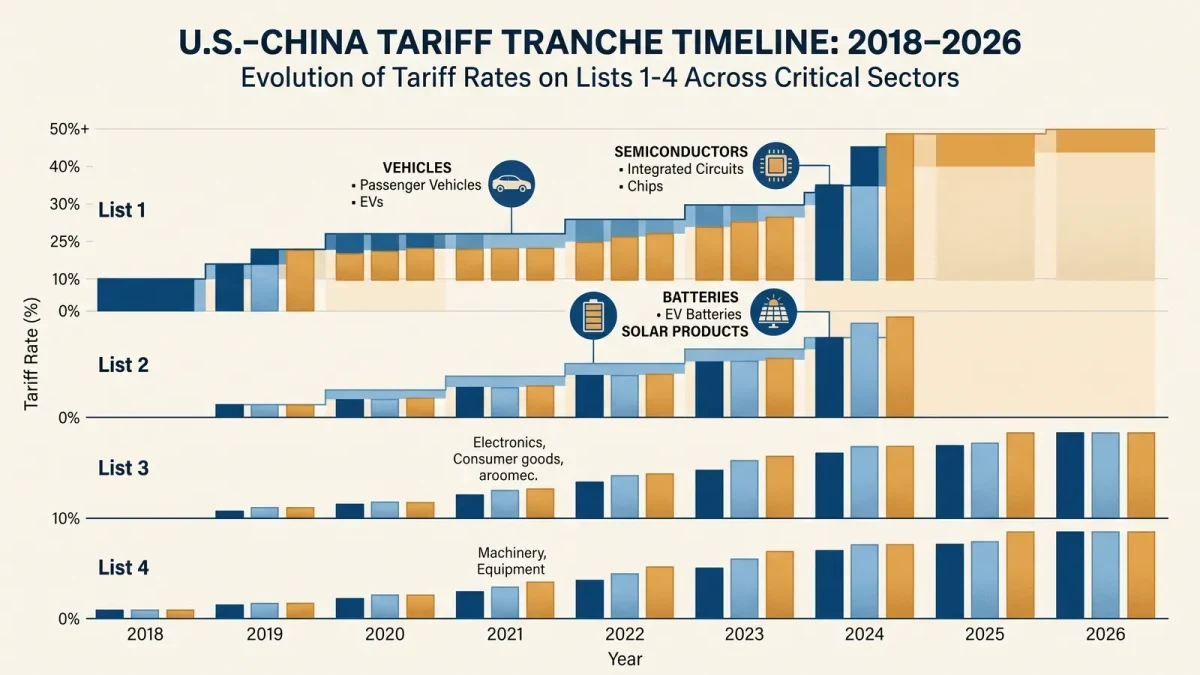
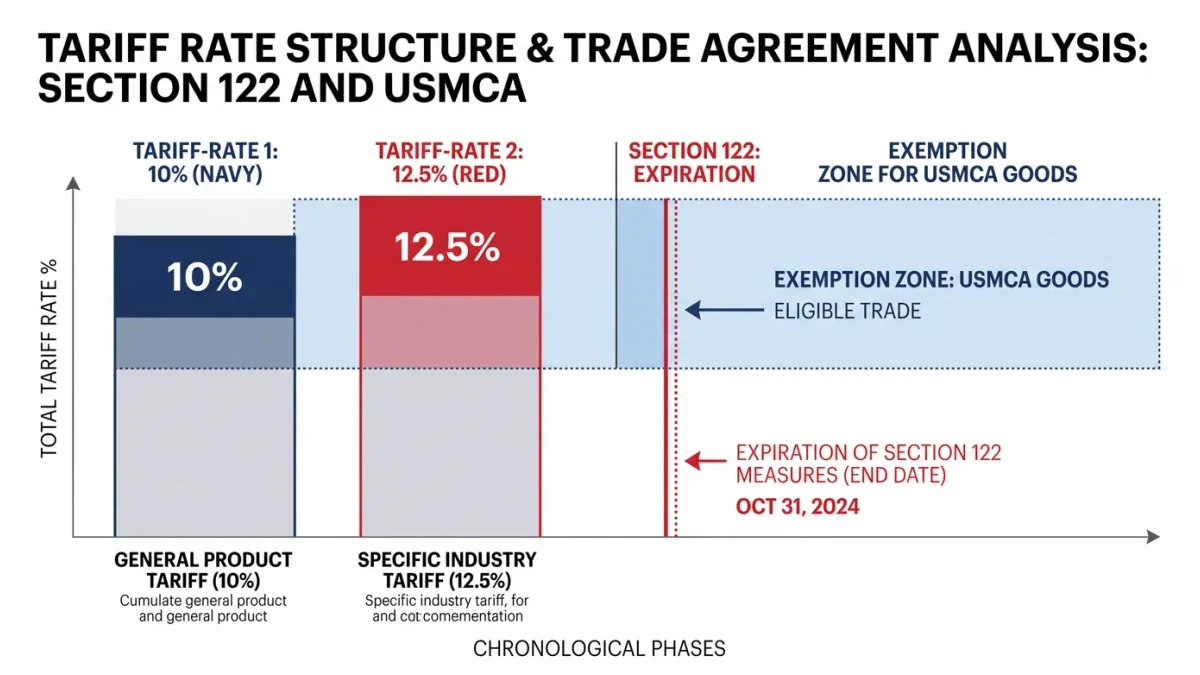
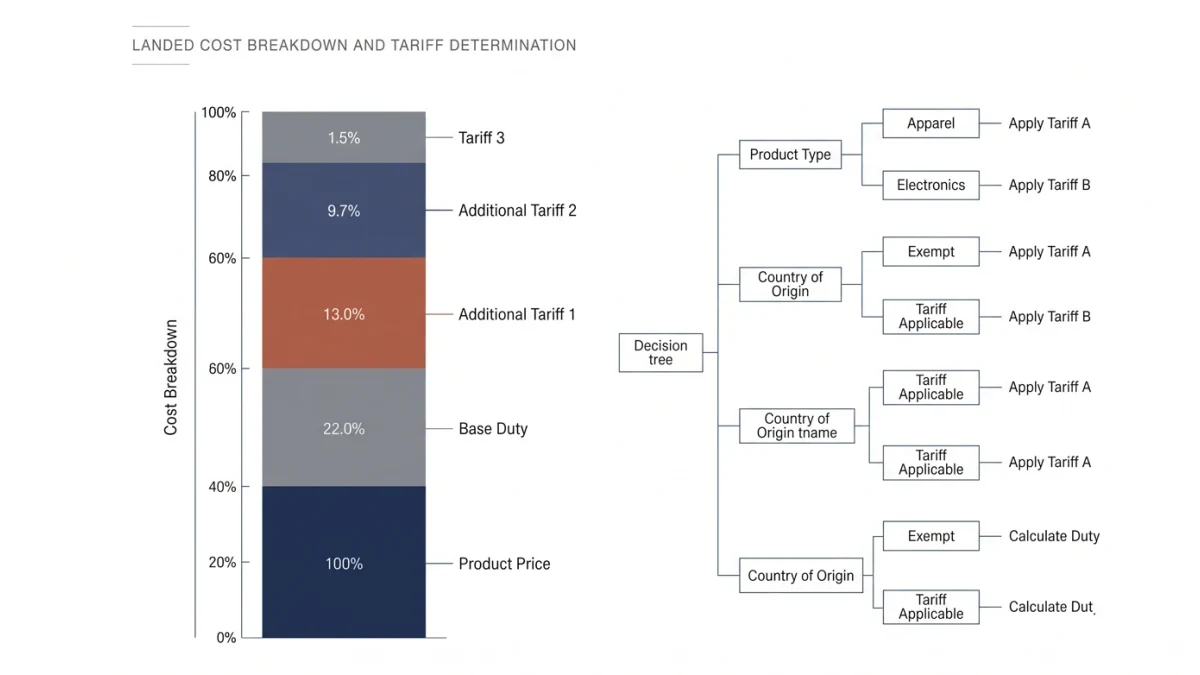
The HTS is organized by what a product is, not what it does for the buyer: material composition, function, and construction decide the heading. The General Rules of Interpretation resolve ambiguous cases — composite goods classify by their essential character, for instance. Each ten-digit line carries a general duty rate, plus a column of special rates for free-trade-agreement partners and a column for non-normal-trade countries. On top of the base rate, additional layers can apply — Section 301 tariffs on China-origin goods across many categories, steel and aluminum measures, and the reciprocal tariff structures introduced in 2025 — each with its own list logic. The operative rate is the stack, and the stack can be several times the base.
What is the importer's legal position?
The importer of record is legally responsible for the correctness of the entry — reasonable care is the statutory standard, and it means more than forwarding an invoice to a broker. Reasonable care looks like knowing your product's materials and construction well enough to challenge a classification that seems off, documenting the basis for the code used, and staying current when tariff lists change, which they did repeatedly through 2025. Rulings are the cheap insurance: CBP publishes thousands of classification rulings online, and a binding ruling request can lock treatment for your exact product before you ship.
Where do importers lose money besides the rate?
Valuation and origin are the silent pair. Duty is assessed on the customs value — typically the price paid plus certain additions like assists and packing — so unreported support to your supplier can create underpayment exposure. Origin is decided by substantial transformation rules, not by where the shipment sails from; transshipment through a third country does not change origin and attempting it is fraud. First-sale valuation and foreign-trade zones are legitimate structures worth knowing about at scale, but they are endgame tools — the beginner's money is in classification accuracy and the correct use of program claims, which require documentation at entry, not after.
What should a small importer actually do?
Build a product file: for each SKU, the HTS code, its basis, the landed-duty arithmetic including all additional layers currently in force, and the ruling or documentation supporting it. Review the file whenever trade actions are announced — the Federal Register and CBP's own guidance pages are the primary sources, and 2025 proved list changes arrive faster than brokers can call everyone. And run the numbers before the purchase order: a supplier's quoted price plus the full duty stack plus freight is the only landed cost worth comparing domestically against.
- The ten-digit code decides the rate — own it, don't outsource it blindly
- Stack base rate plus all additional measures in force
- Check published rulings; request a binding one when stakes are high
- Recheck the stack at every trade-action announcement
Tariff costs are not weather. They are a rate assigned to a code, chosen partly by you, auditable in advance, and fully visible before the goods sail — to anyone who reads the schedule before signing the order.