Between the price of oil and the cost of getting your goods delivered sits a chain: crude oil becomes refined diesel, diesel becomes the largest variable cost of trucking, and fuel surcharges pass that cost to shippers through published formulas. For any business that ships or receives physical goods, that chain is a recurring cost line that moves with energy markets — and it is more legible than most owners assume. Orer News publishes information, not financial advice.
The reference points are public: the Energy Information Administration publishes weekly retail diesel prices by region, and those series are the index most carrier fuel-surcharge formulas key off.
How does the surcharge formula work?
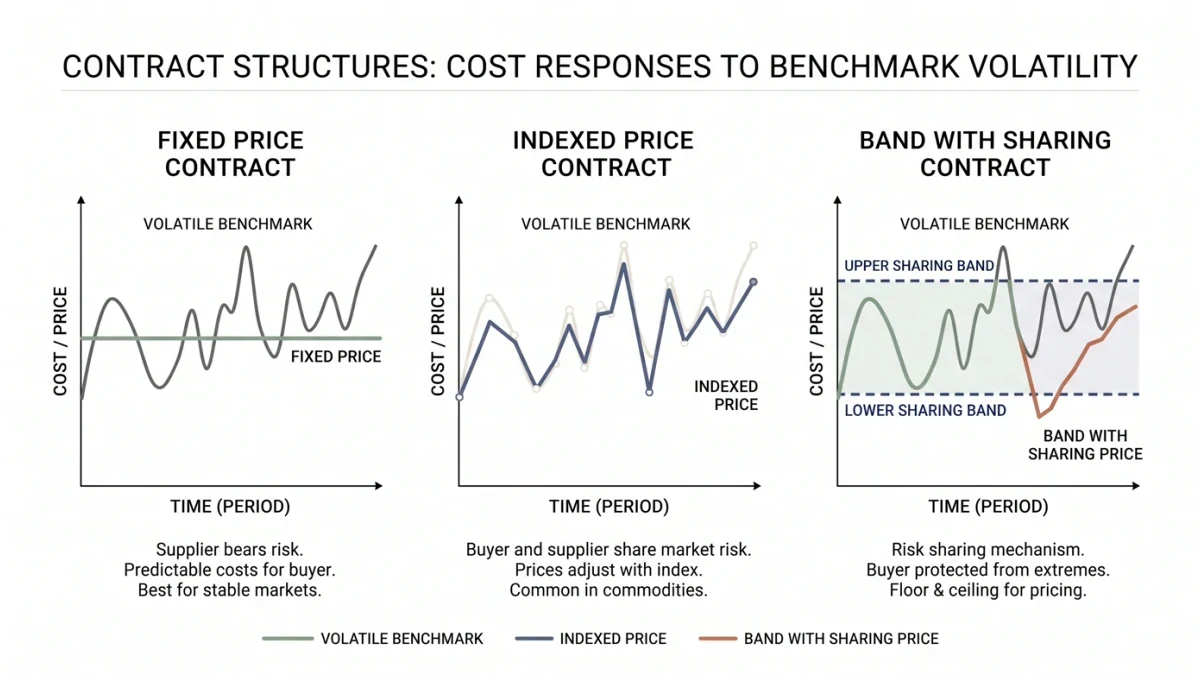
A typical carrier formula has three parts: a baseline diesel price at which no surcharge applies — often set years ago, so surcharges rarely reach zero; a mileage-based energy efficiency factor, commonly in the range of six miles per gallon; and the indexed fuel price, taken from a published EIA average. When the index rises a dollar over the baseline, the surcharge rises roughly that dollar divided by the efficiency factor — about 16 cents per mile at six mpg. The formula means fuel moves are passed through almost mechanically, with a lag of a week or two while the index updates.
What can a shipper actually do?
Four levers. Read your carrier's formula — the baseline, index, and mpg factor are stated in the rate confirmation or available on request, and comparing formulas across carriers is legitimate procurement: a stale low baseline means you pay surcharges even when diesel is cheap. Negotiate the terms, not just the rate: a higher linehaul with a baseline set at current diesel can beat a lower linehaul with a 2015 baseline. Reduce exposure structurally: mode shifts toward rail for long hauls, denser pallet building, consolidated shipments, and delivery-area optimization cut gallons, which cuts surcharge at the source. And time large shipments where the calendar allows — surcharges lag the index, so a filling tank hits your bill a couple of weeks before a falling one relieves it.
What about diesel versus crude?
They diverge, and the divergence matters to shippers. Diesel prices include refining margins and seasonal demand — heating oil competes for similar refining output in winter — so diesel can stay elevated while crude softens, and vice versa. The EIA publishes both series weekly; shippers who watch diesel rather than crude are watching the number their surcharge actually keys on. Distillate inventories, also published weekly, are the stock variable that explains most short-term diesel moves when refinery outages or seasonal draws hit.
How does this connect to pricing your own goods?
Freight is an input like any other, and the same repricing logic applies: track landed cost including fuel surcharge, and when the diesel index has run up two quarters, your delivered-cost increases were already telegraphed by the public series — customers accept a fuel-linked adjustment explained by an index far better than an unexplained bump. Some shippers formalize this with their own delivery fuel surcharge, mirroring the carrier formula; disclosure and consistency are what keep it a cost pass-through rather than a fee fight.
- Surcharge = (index − baseline) ÷ mpg factor, roughly
- Watch EIA regional diesel, not crude, for the bill
- Compare carrier baselines before comparing rates
- Fewer gallons — mode, density, consolidation — beats any formula
Energy markets will keep moving. The shippers who pay for it are those who never read the formula; the ones who manage it treat fuel as an indexed, negotiable, and reducible line item — which is what it is.