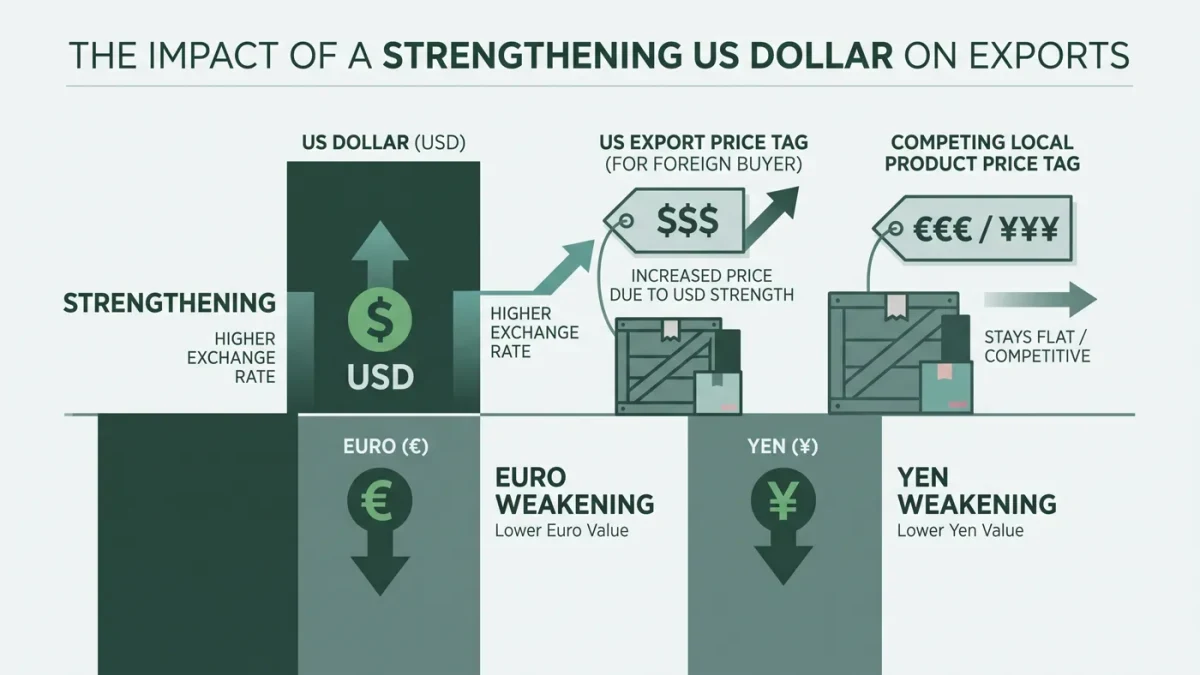
When the dollar strengthens against the currency you buy from, the same invoice buys more goods; when it weakens, your cost of goods rises without a single supplier price increase. For a business importing components, packaging, or finished stock, the exchange rate is a cost input as real as freight, and just as manageable — or just as ignored. Census Bureau trade data shows imports running in the hundreds of billions of dollars quarterly, most of it invoiced across currency lines somewhere in its chain. Orer News publishes information, not financial advice.
The first question is deceptively simple: whose currency is your contract priced in? That determines who bears the exchange-rate risk.
Who actually carries the risk?
If your supplier invoices in dollars, the risk sits nominally with them — and reaches you only when they re-price, typically at contract renewal, with a lag. If the invoice is in euros, yen, or yuan, the risk is yours at the moment of payment, invoice by invoice. Many small importers discover their true currency exposure only by reading an invoice footer. Mapping it is an afternoon's work: list each supplier, the invoice currency, and the payment terms, and you have a currency-risk inventory.
What can you do about exposure?
Three standard tools, in rising order of sophistication. Natural matching: if you sell abroad in the same currency you buy in, receivables offset payables and much of the risk cancels — worth arranging deliberately with large counterparties. Forward contracts: your bank will sell you a set amount of foreign currency at a fixed rate for a future date, converting an unknown cost into a known one for a modest spread; this is the workhorse for importers with predictable purchase cycles. Multi-currency accounts and paying early when the rate favors you round out the toolkit. What does not work is guessing direction — this publication does not forecast currencies, and neither, honestly, does anyone reliably.
How does a strong dollar cut both ways?
For importers, dollar strength lowers the foreign-currency cost of goods, a genuine margin gift when it appears. But it also prices your exports out of foreign markets and pressures foreign customers who owe you dollars — an exporter invoicing a European buyer in dollars has quietly handed that buyer a currency risk, and in strong-dollar periods, those buyers renegotiate or churn. Businesses on both sides of the trade should know which they are; many are both, with the exposure hidden inside a single supply chain.
What belongs in the contract?
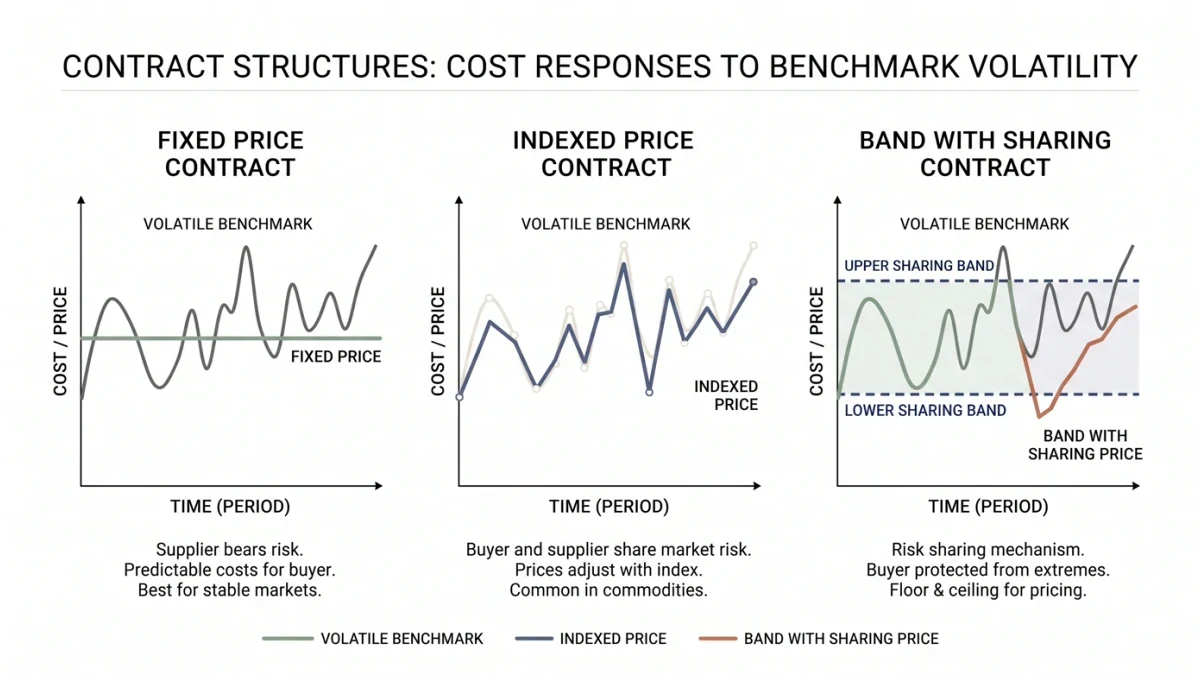
Currency clauses convert surprises into terms: an explicit invoice currency, a defined window for payment, and — for long relationships — a sharing or adjustment clause that re-prices when the rate moves beyond an agreed band. Even without such clauses, the timing of negotiations matters: renegotiate supplier pricing when the dollar is strong, because that is when your supplier's own economics are most comfortable conceding. And keep the measurement honest — track landed cost including currency, not just quoted unit price, or the FX move will hide in your margin until the P&L finds it.
- Map invoice currency by supplier — that is where risk sits
- Forward contracts convert unknown costs into known ones
- Renegotiate pricing in strong-dollar windows
- Track landed cost including currency, always
Exchange rates will keep moving in both directions. The importers who are hurt are those with unmapped exposure; the ones who prosper treat currency as a procurement line item with tools attached, not as weather.