The two basic business debts are built for opposite jobs. A working capital loan or line of credit is short-duration, revolving money for timing gaps — payroll between client payments, inventory ahead of a season. A term loan is fixed-duration, amortizing money for long-lived uses — equipment, build-out, acquisition, debt consolidation. The classic mistake is crossing them: financing a truck on a line of credit that reprices annually, or burning a five-year term loan on a receivables gap that closes in sixty days. Orer News publishes information, not financial advice.
The matching principle behind both: the repayment schedule of the debt should follow the cash-generation schedule of whatever the debt bought.
When is a working capital loan right?
When the cash gap is temporary and self-closing: contract payments arriving quarterly against monthly payroll, inventory purchased against confirmed orders, seasonal buys ahead of selling seasons. These instruments — credit lines, short-term working capital loans, invoice-backed financing — price higher than term debt per dollar because they are fast, flexible, and unsecured, and they are meant to be drawn and repaid repeatedly. The health signal for revolving debt is turnover: a line drawn and cleared several times a year is doing its job; a line that stays drawn at its limit for a year is not working capital at all — it is a structural deficit wearing a line's clothes.
When is a term loan right?
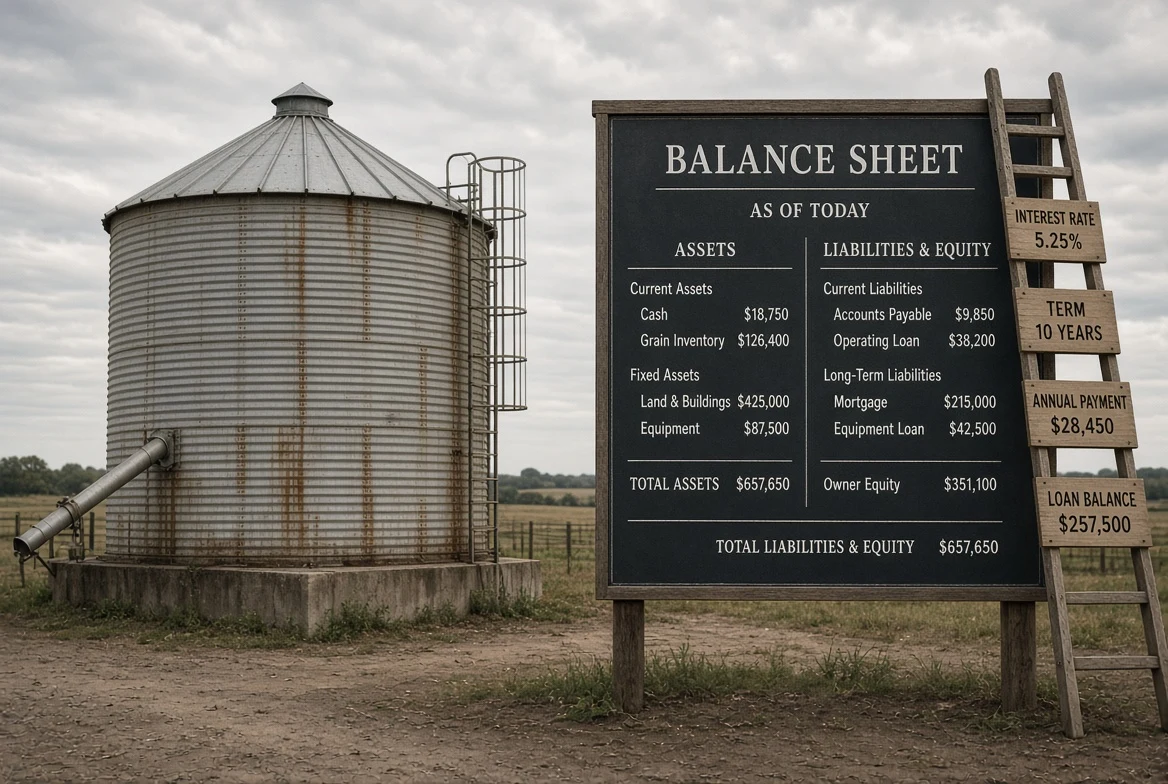
When the asset generates value over years: the truck that hauls for seven, the renovation that lifts revenue for ten, the practice acquisition that pays for itself over a decade. Term loans amortize — fixed payments of principal and interest over three to ten years — and are often secured by the asset itself, which lowers the rate. The test before signing: does the monthly payment fit within the cash flow the asset adds plus existing margin, with room for a slow quarter? And does the term match the asset's life — financing a five-year-life asset over ten years leaves you paying for a dead asset.
How do the numbers differ?
Term loans carry lower rates and fixed schedules, which make them budgetable and cheaper per dollar-year; they also carry prepayment considerations and often collateral and covenants. Revolving facilities carry higher floating rates, annual reviews, and sometimes draw or unused-line fees; in exchange they provide liquidity insurance — capital available before you need it. The SBA's programs span both worlds and frequently beat conventional terms for qualifying firms: 7(a) loans up to $5 million for working capital, equipment, and real estate; CDC/504 for major fixed assets; microloans up to $50,000 for smaller needs — per the agency's published program terms.
What is refinancing debt — term or working capital?
Consolidating maxed revolving balances into a term loan is a legitimate rescue when — and only when — the underlying gap has closed: converting a lingering line balance into amortizing debt forces repayment and cuts interest cost, but done while the structural deficit persists, it simply frees the line to be maxed again, doubling the hole. The discipline is diagnosis first, structure second.
| Need | Right instrument |
|---|---|
| Payroll between client payments | Credit line, drawn and repaid |
| Seasonal inventory | Short-term working capital or line |
| Equipment, vehicles | Term loan or lease, matched to asset life |
| Build-out, acquisition | Long-term loan, possibly SBA 504 |
| Maxed-out line after the gap closed | Term consolidation with discipline |
Debt structure is a matching problem with a price tag. Name what the money is for, find the instrument whose repayment follows that thing's cash generation, and the rate shopping becomes the easy part.